SPF Made Simple: The One Step You Should Never Skip
SPF Made Simple: The One Step You Should Never Skip
SPF Made Simple: The One Step You Should Never Skip
What SPF numbers really mean, how much to apply, and how to choose a daily sunscreen that protects your skin without feeling heavy or greasy.
What SPF numbers really mean, how much to apply, and how to choose a daily sunscreen that protects your skin without feeling heavy or greasy.
What SPF numbers really mean, how much to apply, and how to choose a daily sunscreen that protects your skin without feeling heavy or greasy.
December 4, 2025
Sun care
4 Min Reading Time
Why daily SPF matters more than almost anything else
UV light is responsible for a huge share of premature lines, dark spots, and loss of firmness, even on cloudy days or through windows. A good daily SPF is less about summer and more about protecting your future skin, every single morning.
What the number on the bottle actually means
SPF measures how well a product protects against UVB rays, the ones that cause burning and visible surface damage. For everyday use, dermatologists commonly recommend at least SPF 30, which blocks about 97% of UVB; SPF 50 gives a bit more buffer, especially if you are outdoors longer or prone to pigmentation. Look for the words “broad‑spectrum” so you are also covered against UVA, the rays that drive deeper aging changes.
How much to use—and how to fit it into your ritual
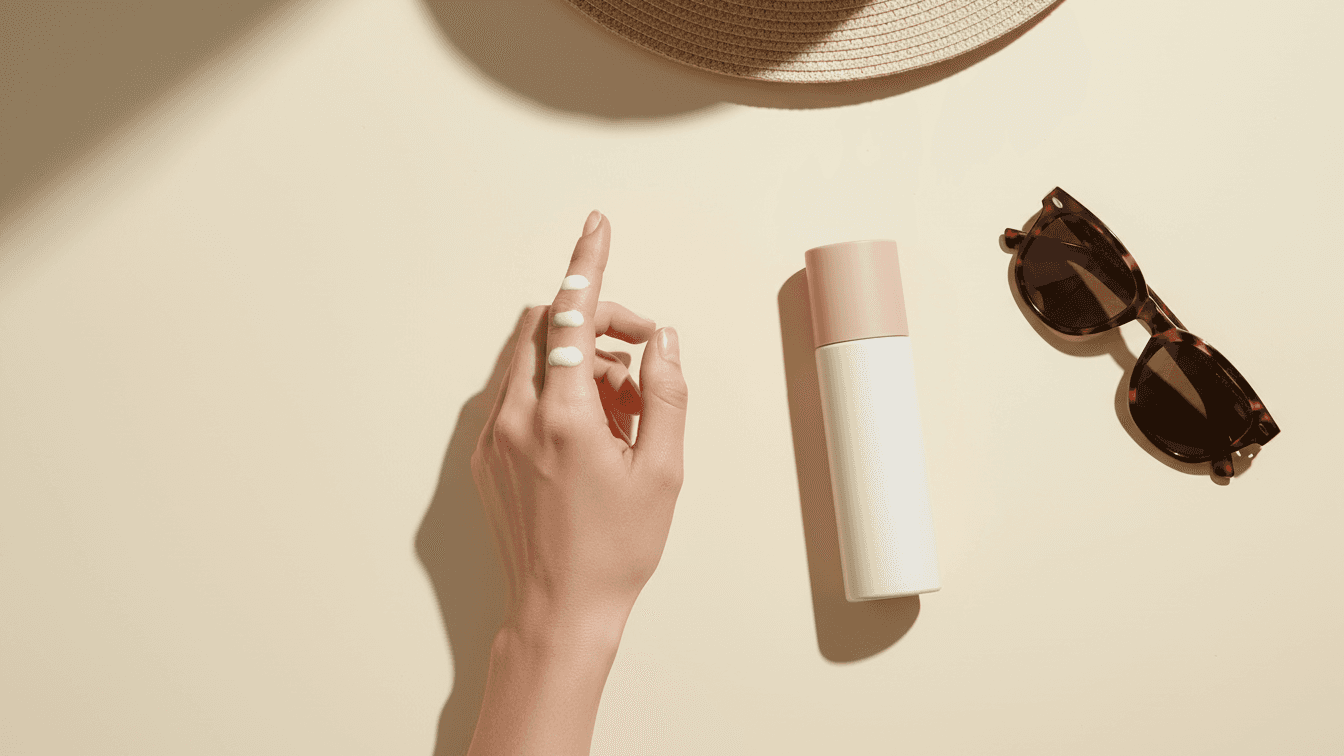
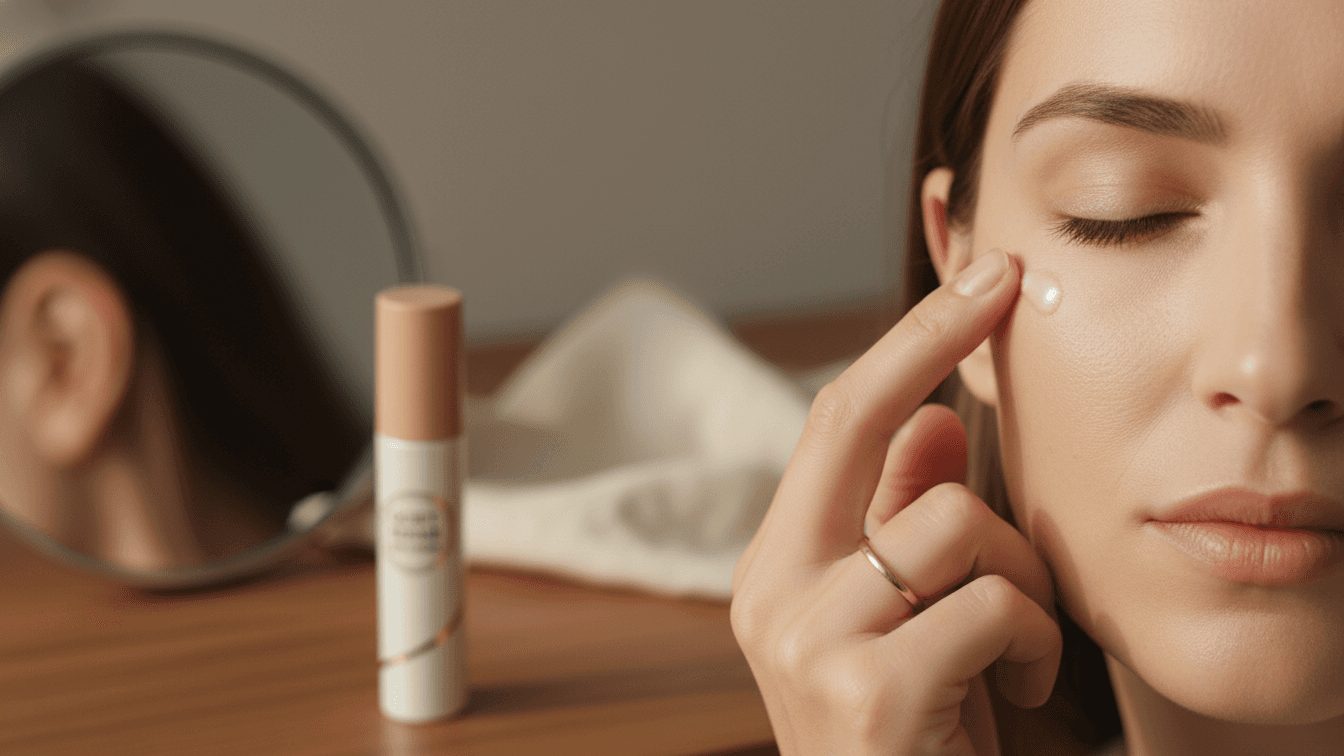
Apply SPF as the final step of your morning routine, after moisturizer and before makeup. Most faces need around half a teaspoon, or two generous finger lengths, to get the protection promised on the label. Smooth it over the face, ears, and neck; do not forget the backs of hands if they are exposed. Reapply every two hours if you are in direct sun, sweating, or swimming.
Choosing a texture you will actually wear
The best sunscreen is the one you enjoy enough to use every morning. If your skin is oily, look for lightweight fluid or gel textures that dry down quickly and sit well under makeup. Drier or barrier‑compromised skin may prefer SPF formulas that feel more like a moisturizer, with added hydrators and soothing ingredients. If a product ever stings or pills badly, it is a sign to try a different base—not a sign to skip SPF altogether.
Why daily SPF matters more than almost anything else
UV light is responsible for a huge share of premature lines, dark spots, and loss of firmness, even on cloudy days or through windows. A good daily SPF is less about summer and more about protecting your future skin, every single morning.
What the number on the bottle actually means
SPF measures how well a product protects against UVB rays, the ones that cause burning and visible surface damage. For everyday use, dermatologists commonly recommend at least SPF 30, which blocks about 97% of UVB; SPF 50 gives a bit more buffer, especially if you are outdoors longer or prone to pigmentation. Look for the words “broad‑spectrum” so you are also covered against UVA, the rays that drive deeper aging changes.
How much to use—and how to fit it into your ritual
Apply SPF as the final step of your morning routine, after moisturizer and before makeup. Most faces need around half a teaspoon, or two generous finger lengths, to get the protection promised on the label. Smooth it over the face, ears, and neck; do not forget the backs of hands if they are exposed. Reapply every two hours if you are in direct sun, sweating, or swimming.
Choosing a texture you will actually wear
The best sunscreen is the one you enjoy enough to use every morning. If your skin is oily, look for lightweight fluid or gel textures that dry down quickly and sit well under makeup. Drier or barrier‑compromised skin may prefer SPF formulas that feel more like a moisturizer, with added hydrators and soothing ingredients. If a product ever stings or pills badly, it is a sign to try a different base—not a sign to skip SPF altogether.
Why daily SPF matters more than almost anything else
UV light is responsible for a huge share of premature lines, dark spots, and loss of firmness, even on cloudy days or through windows. A good daily SPF is less about summer and more about protecting your future skin, every single morning.
What the number on the bottle actually means
SPF measures how well a product protects against UVB rays, the ones that cause burning and visible surface damage. For everyday use, dermatologists commonly recommend at least SPF 30, which blocks about 97% of UVB; SPF 50 gives a bit more buffer, especially if you are outdoors longer or prone to pigmentation. Look for the words “broad‑spectrum” so you are also covered against UVA, the rays that drive deeper aging changes.
How much to use—and how to fit it into your ritual
Apply SPF as the final step of your morning routine, after moisturizer and before makeup. Most faces need around half a teaspoon, or two generous finger lengths, to get the protection promised on the label. Smooth it over the face, ears, and neck; do not forget the backs of hands if they are exposed. Reapply every two hours if you are in direct sun, sweating, or swimming.
Choosing a texture you will actually wear
The best sunscreen is the one you enjoy enough to use every morning. If your skin is oily, look for lightweight fluid or gel textures that dry down quickly and sit well under makeup. Drier or barrier‑compromised skin may prefer SPF formulas that feel more like a moisturizer, with added hydrators and soothing ingredients. If a product ever stings or pills badly, it is a sign to try a different base—not a sign to skip SPF altogether.
Summary
Daily SPF is the quiet hero of every routine. Choosing a texture you enjoy and using enough of it each morning does more to protect your future skin than almost any other single product.
Summary
Daily SPF is the quiet hero of every routine. Choosing a texture you enjoy and using enough of it each morning does more to protect your future skin than almost any other single product.

More rituals worth reading
More rituals worth reading
More rituals worth reading


Ritual Notes, in Your Inbox
Monthly skin lessons, early access to launches, and quiet offers for subscribers only—no noise, just a calmer routine.
Email Address
Ritual Notes,
in Your Inbox
Monthly skin lessons, early access to launches, and quiet offers for subscribers only—no noise, just a calmer routine.
Email Address
Ritual Notes, in Your Inbox
Monthly skin lessons, early access to launches, and quiet offers for subscribers only.
No noise, just a calmer routine.
Email Address