Peptides 101: Support, Not “Freeze”, Your Skin
Peptides 101: Support, Not “Freeze”, Your Skin
Peptides 101: Support, Not “Freeze”, Your Skin
What peptides actually do, how they differ from stronger treatments, and when a peptide serum is the right choice for soft lines and long‑term support.
What peptides actually do, how they differ from stronger treatments, and when a peptide serum is the right choice for soft lines and long‑term support.
What peptides actually do, how they differ from stronger treatments, and when a peptide serum is the right choice for soft lines and long‑term support.
December 4, 2025
Ingredients
5 Min Reading Time
What are peptides in skincare?
Peptides are short chains of amino acids—the building blocks of proteins like collagen and elastin. In skincare, certain peptides act as “signals,” reminding the skin to keep up its own repair work and supporting a smoother, more resilient surface over time. They are not instant fillers, but steady helpers.
Who are peptides best for?
If you are starting to notice fine lines, a loss of bounce, or you want something supportive but gentler than strong retinoids, peptides are a good fit. They play well with most skin types, including sensitive or barrier‑focused routines, and can be used both morning and night without the same adjustment period stronger actives often need.
How to layer a peptide serum in your ritual
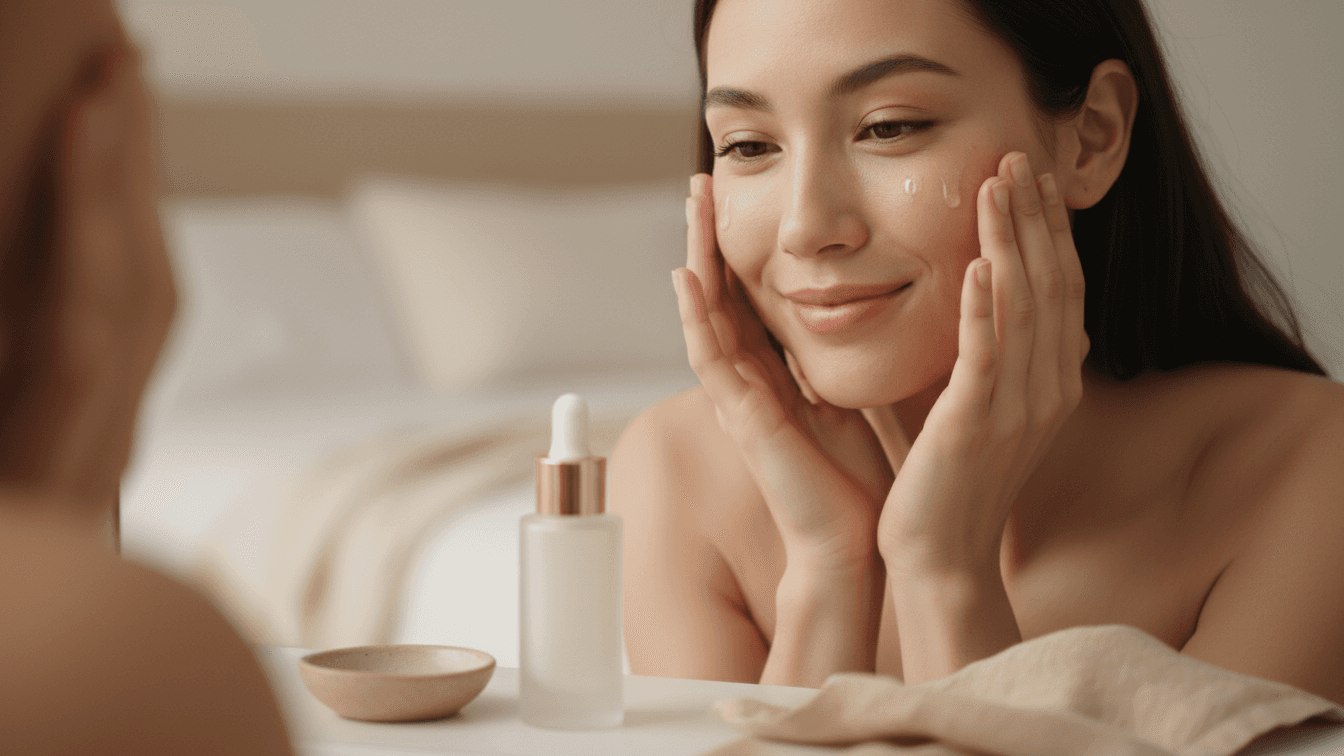
After cleansing (and hydrating essence if you use one), apply a few drops of peptide serum to face, neck, and chest. In the morning, follow with moisturizer and SPF. At night, you can pair peptides with barrier‑supporting creams or, if your skin tolerates it, alternate nights with stronger resurfacing treatments so your routine still feels balanced rather than overloaded.
What results to expect—and when
Peptides work gradually. With consistent use over 6–12 weeks, many people notice skin that looks a little smoother, feels more elastic, and shows less creasing from dehydration alone. The real magic is in maintenance: peptides help support what your skin is already designed to do, so your features still look like you—just more rested.
What are peptides in skincare?
Peptides are short chains of amino acids—the building blocks of proteins like collagen and elastin. In skincare, certain peptides act as “signals,” reminding the skin to keep up its own repair work and supporting a smoother, more resilient surface over time. They are not instant fillers, but steady helpers.
Who are peptides best for?
If you are starting to notice fine lines, a loss of bounce, or you want something supportive but gentler than strong retinoids, peptides are a good fit. They play well with most skin types, including sensitive or barrier‑focused routines, and can be used both morning and night without the same adjustment period stronger actives often need.
How to layer a peptide serum in your ritual
After cleansing (and hydrating essence if you use one), apply a few drops of peptide serum to face, neck, and chest. In the morning, follow with moisturizer and SPF. At night, you can pair peptides with barrier‑supporting creams or, if your skin tolerates it, alternate nights with stronger resurfacing treatments so your routine still feels balanced rather than overloaded.
What results to expect—and when
Peptides work gradually. With consistent use over 6–12 weeks, many people notice skin that looks a little smoother, feels more elastic, and shows less creasing from dehydration alone. The real magic is in maintenance: peptides help support what your skin is already designed to do, so your features still look like you—just more rested.
What are peptides in skincare?
Peptides are short chains of amino acids—the building blocks of proteins like collagen and elastin. In skincare, certain peptides act as “signals,” reminding the skin to keep up its own repair work and supporting a smoother, more resilient surface over time. They are not instant fillers, but steady helpers.
Who are peptides best for?
If you are starting to notice fine lines, a loss of bounce, or you want something supportive but gentler than strong retinoids, peptides are a good fit. They play well with most skin types, including sensitive or barrier‑focused routines, and can be used both morning and night without the same adjustment period stronger actives often need.
How to layer a peptide serum in your ritual
After cleansing (and hydrating essence if you use one), apply a few drops of peptide serum to face, neck, and chest. In the morning, follow with moisturizer and SPF. At night, you can pair peptides with barrier‑supporting creams or, if your skin tolerates it, alternate nights with stronger resurfacing treatments so your routine still feels balanced rather than overloaded.
What results to expect—and when
Peptides work gradually. With consistent use over 6–12 weeks, many people notice skin that looks a little smoother, feels more elastic, and shows less creasing from dehydration alone. The real magic is in maintenance: peptides help support what your skin is already designed to do, so your features still look like you—just more rested.
Summary
Peptides are about long-term support, not instant transformation. Used daily, a peptide serum can quietly help skin stay smoother, bouncier, and more resilient—while your face still moves and looks like you.
Summary
Peptides are about long-term support, not instant transformation. Used daily, a peptide serum can quietly help skin stay smoother, bouncier, and more resilient—while your face still moves and looks like you.

More rituals worth reading
More rituals worth reading
More rituals worth reading


Ritual Notes, in Your Inbox
Monthly skin lessons, early access to launches, and quiet offers for subscribers only—no noise, just a calmer routine.
Email Address
Ritual Notes,
in Your Inbox
Monthly skin lessons, early access to launches, and quiet offers for subscribers only—no noise, just a calmer routine.
Email Address
Ritual Notes, in Your Inbox
Monthly skin lessons, early access to launches, and quiet offers for subscribers only.
No noise, just a calmer routine.
Email Address