Hydration vs. Moisture: Why Your Skin Needs Both
Hydration vs. Moisture: Why Your Skin Needs Both
Hydration vs. Moisture: Why Your Skin Needs Both
Learn the difference between hydrating and moisturizing, how to tell what your skin is missing, and where essences and serums fit in your ritual.
Learn the difference between hydrating and moisturizing, how to tell what your skin is missing, and where essences and serums fit in your ritual.
Learn the difference between hydrating and moisturizing, how to tell what your skin is missing, and where essences and serums fit in your ritual.
December 4, 2025
Routine basics
5 Min Reading Time
Hydrated vs. moisturized: what is the difference?
Hydration is about water; moisture is about oil and lipids. Dehydrated skin is thirsty—it lacks water and can feel tight and look dull, even if it is oily. Dry skin lacks enough oil and often feels rough or flaky. Knowing which one you are dealing with helps you pick the right formulas instead of just adding more layers.
Signs your skin is dehydrated, not just dry
Dehydrated skin often looks a bit “flat,” with fine lines that disappear when you press gently on the surface. It might feel tight after cleansing but get shiny again during the day. Dry skin, on the other hand, tends to feel rough all the time and may have visible flaking around the nose, mouth, or cheeks. Many people have both: oily‑dehydrated or dry‑dehydrated skin.
Where essences and hydrating serums come in
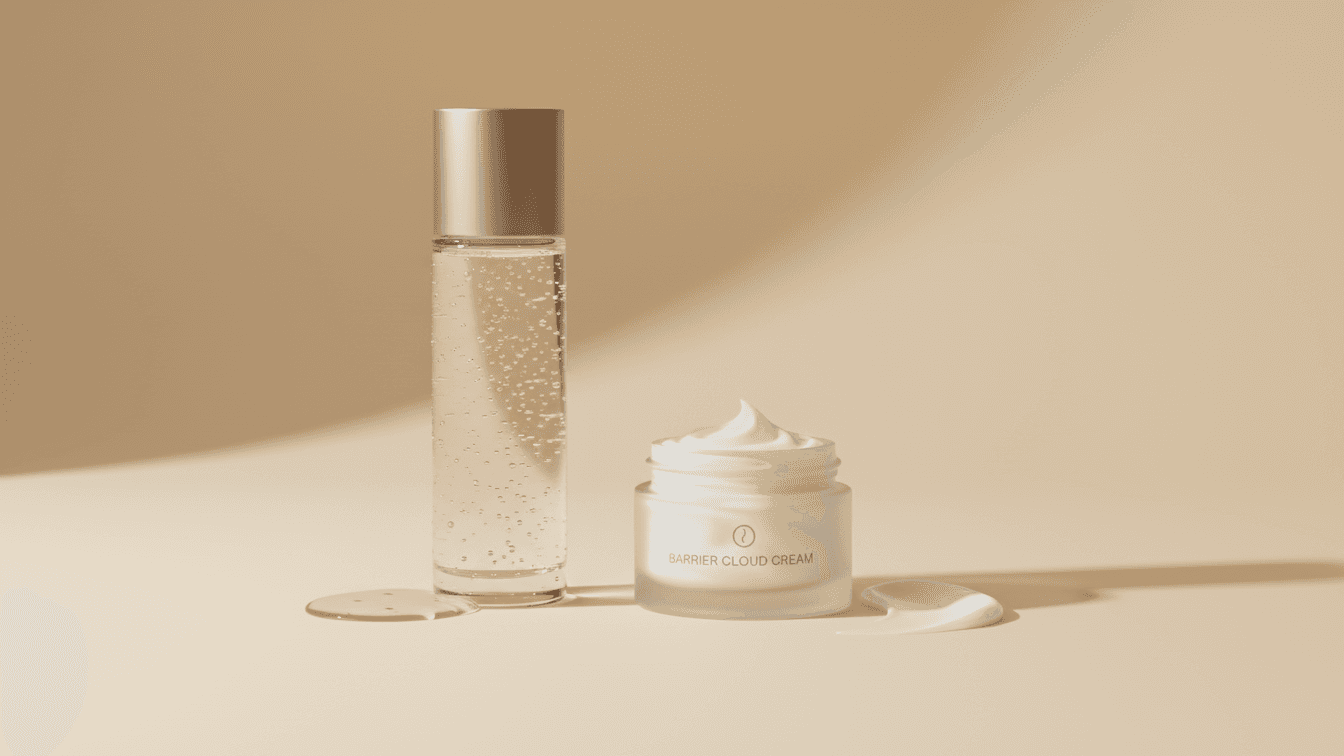
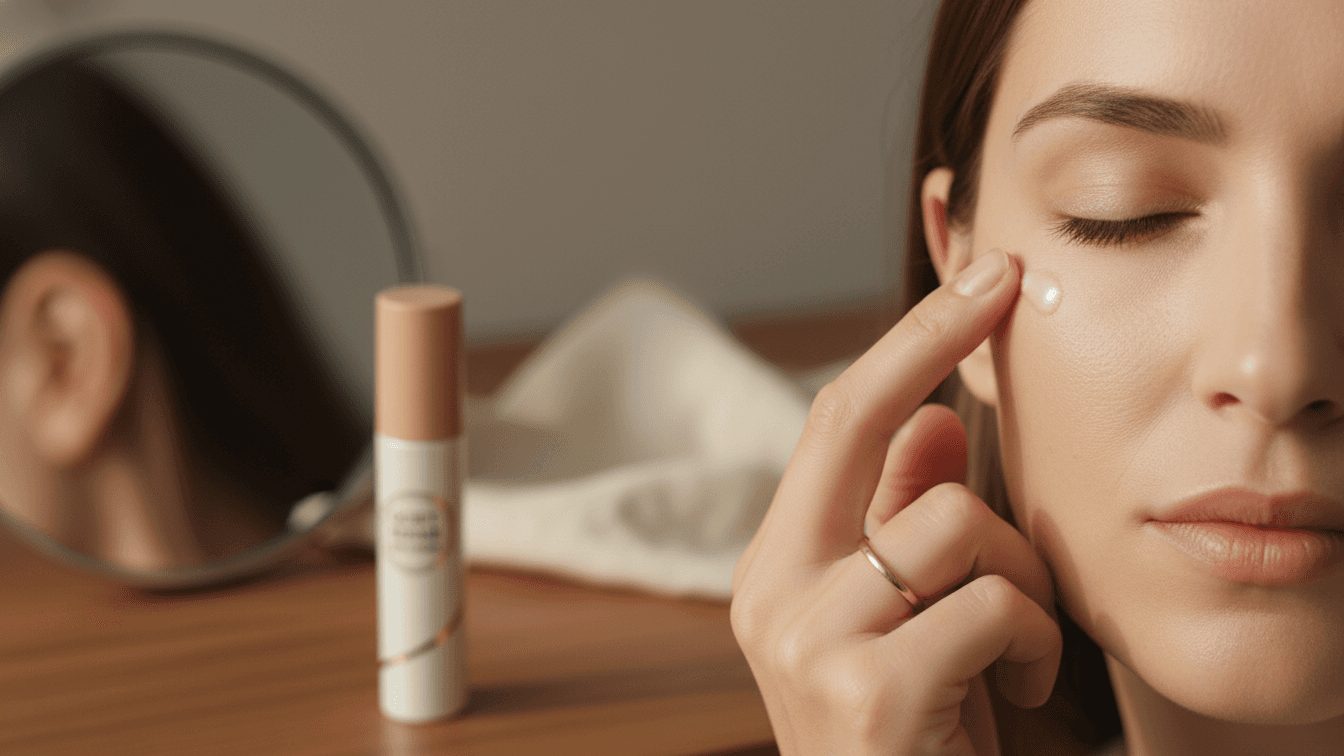
Lightweight formulas rich in humectants—like glycerin, hyaluronic acid, or aloe—pull water into the upper layers of the skin. Think of them as a glass of water for your face. Use them after cleansing (and toning, if you tone) while skin is slightly damp. Press a few drops in with your palms rather than wiping with cotton so every bit stays on your skin.
Locking hydration in so it does not disappear
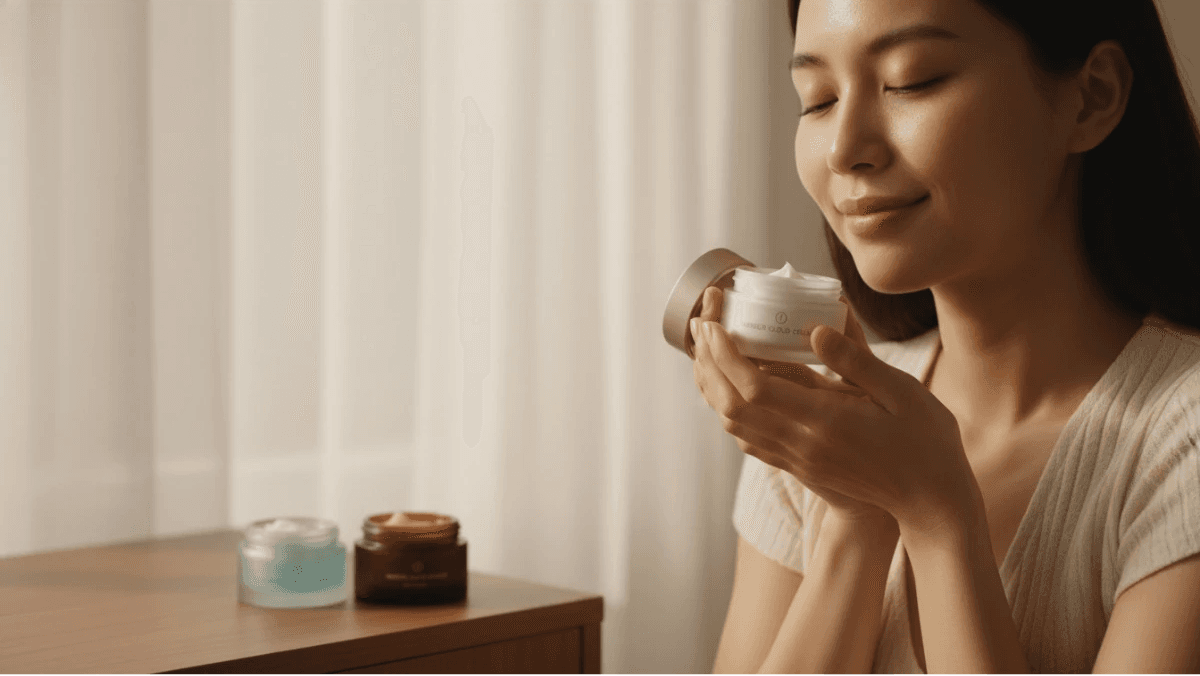
Hydration alone is not enough; it needs to be sealed in. Always follow essences and watery serums with a moisturizer that contains emollients and occlusives, which smooth and cushion the skin while slowing water loss. In the morning, your SPF often doubles as this final sealing step. At night, a slightly richer cream or balm helps keep all that added water from evaporating while you sleep.
Hydrated vs. moisturized: what is the difference?
Hydration is about water; moisture is about oil and lipids. Dehydrated skin is thirsty—it lacks water and can feel tight and look dull, even if it is oily. Dry skin lacks enough oil and often feels rough or flaky. Knowing which one you are dealing with helps you pick the right formulas instead of just adding more layers.
Signs your skin is dehydrated, not just dry
Dehydrated skin often looks a bit “flat,” with fine lines that disappear when you press gently on the surface. It might feel tight after cleansing but get shiny again during the day. Dry skin, on the other hand, tends to feel rough all the time and may have visible flaking around the nose, mouth, or cheeks. Many people have both: oily‑dehydrated or dry‑dehydrated skin.
Where essences and hydrating serums come in
Lightweight formulas rich in humectants—like glycerin, hyaluronic acid, or aloe—pull water into the upper layers of the skin. Think of them as a glass of water for your face. Use them after cleansing (and toning, if you tone) while skin is slightly damp. Press a few drops in with your palms rather than wiping with cotton so every bit stays on your skin.
Locking hydration in so it does not disappear
Hydration alone is not enough; it needs to be sealed in. Always follow essences and watery serums with a moisturizer that contains emollients and occlusives, which smooth and cushion the skin while slowing water loss. In the morning, your SPF often doubles as this final sealing step. At night, a slightly richer cream or balm helps keep all that added water from evaporating while you sleep.
Hydrated vs. moisturized: what is the difference?
Hydration is about water; moisture is about oil and lipids. Dehydrated skin is thirsty—it lacks water and can feel tight and look dull, even if it is oily. Dry skin lacks enough oil and often feels rough or flaky. Knowing which one you are dealing with helps you pick the right formulas instead of just adding more layers.
Signs your skin is dehydrated, not just dry
Dehydrated skin often looks a bit “flat,” with fine lines that disappear when you press gently on the surface. It might feel tight after cleansing but get shiny again during the day. Dry skin, on the other hand, tends to feel rough all the time and may have visible flaking around the nose, mouth, or cheeks. Many people have both: oily‑dehydrated or dry‑dehydrated skin.
Where essences and hydrating serums come in
Lightweight formulas rich in humectants—like glycerin, hyaluronic acid, or aloe—pull water into the upper layers of the skin. Think of them as a glass of water for your face. Use them after cleansing (and toning, if you tone) while skin is slightly damp. Press a few drops in with your palms rather than wiping with cotton so every bit stays on your skin.
Locking hydration in so it does not disappear
Hydration alone is not enough; it needs to be sealed in. Always follow essences and watery serums with a moisturizer that contains emollients and occlusives, which smooth and cushion the skin while slowing water loss. In the morning, your SPF often doubles as this final sealing step. At night, a slightly richer cream or balm helps keep all that added water from evaporating while you sleep.
Summary
Water and oil play different roles in healthy skin. When you pair hydrating layers with the right moisturizer to seal them in, skin looks plumper, feels more resilient, and is less likely to swing between tight and greasy.
Summary
Water and oil play different roles in healthy skin. When you pair hydrating layers with the right moisturizer to seal them in, skin looks plumper, feels more resilient, and is less likely to swing between tight and greasy.

More rituals worth reading
More rituals worth reading
More rituals worth reading
Ritual Notes, in Your Inbox
Monthly skin lessons, early access to launches, and quiet offers for subscribers only—no noise, just a calmer routine.
Email Address
Ritual Notes,
in Your Inbox
Monthly skin lessons, early access to launches, and quiet offers for subscribers only—no noise, just a calmer routine.
Email Address
Ritual Notes, in Your Inbox
Monthly skin lessons, early access to launches, and quiet offers for subscribers only.
No noise, just a calmer routine.
Email Address