Barrier Repair 101: How to Calm Reactive Skin
Barrier Repair 101: How to Calm Reactive Skin
Barrier Repair 101: How to Calm Reactive Skin
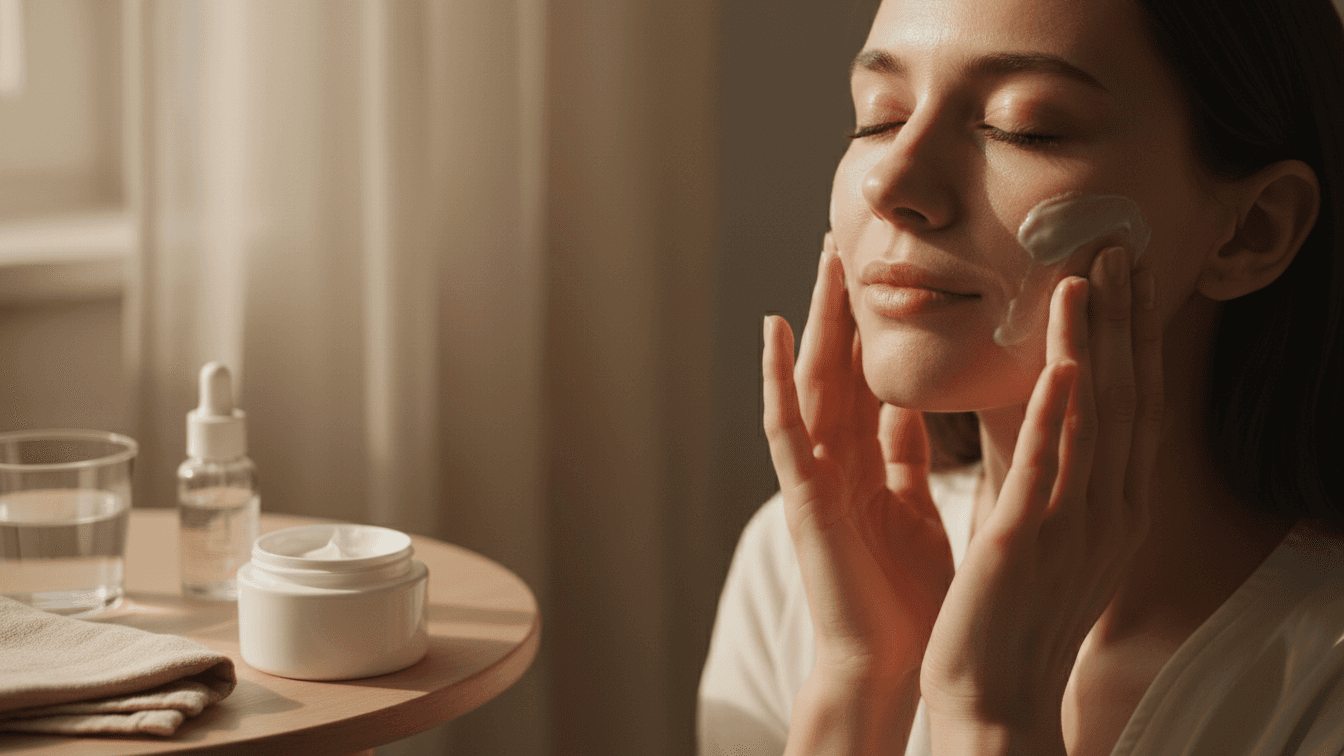
Learn what a damaged skin barrier really is, the signs to look for, and a simple 3‑step ritual to bring reactive, tight, or stingy skin back to calm.
Learn what a damaged skin barrier really is, the signs to look for, and a simple 3‑step ritual to bring reactive, tight, or stingy skin back to calm.
Learn what a damaged skin barrier really is, the signs to look for, and a simple 3‑step ritual to bring reactive, tight, or stingy skin back to calm.
December 4, 2025
Routine basics
5 Min Reading Time
What is your skin barrier—and why does it matter?
Your barrier is the outermost layer of your skin. It keeps moisture in and irritants out. When it is healthy, skin feels comfortable, looks smoother, and needs less makeup to look even. When it is stressed, everything you apply seems to sting, and even gentle products can feel like “too much.”
Signs your barrier needs repair
Look for tightness after washing, persistent redness, rough or flaky patches, and a sudden reaction to products that used to feel fine. These are often signs that your routine has gone a little too hard on exfoliants, strong actives, or cleansing.
A simple 3‑step barrier‑friendly ritual
Melt and rinse, never strip. Use a soft cleanser that removes sunscreen and makeup without leaving your face squeaky‑tight. Lukewarm water only—no hot splashes.
Replenish what’s missing. Reach for serum textures rich in lipids, ceramides, and soothing ingredients like centella or oat. Think “comfort” rather than “tingle.”
Seal and protect. Finish with a cushiony moisturizer that locks in hydration and a generous layer of SPF in the daytime. Consistency for a few weeks matters more than adding more steps.
How long does repair take?
Most people notice less redness and tightness within 1–2 weeks of a gentler routine. Deeper repair can take 4–8 weeks, especially if the barrier has been stressed for a long time. The goal is not perfection—it is skin that feels calm again.
What is your skin barrier—and why does it matter?
Your barrier is the outermost layer of your skin. It keeps moisture in and irritants out. When it is healthy, skin feels comfortable, looks smoother, and needs less makeup to look even. When it is stressed, everything you apply seems to sting, and even gentle products can feel like “too much.”
Signs your barrier needs repair
Look for tightness after washing, persistent redness, rough or flaky patches, and a sudden reaction to products that used to feel fine. These are often signs that your routine has gone a little too hard on exfoliants, strong actives, or cleansing.
A simple 3‑step barrier‑friendly ritual
Melt and rinse, never strip. Use a soft cleanser that removes sunscreen and makeup without leaving your face squeaky‑tight. Lukewarm water only—no hot splashes.
Replenish what’s missing. Reach for serum textures rich in lipids, ceramides, and soothing ingredients like centella or oat. Think “comfort” rather than “tingle.”
Seal and protect. Finish with a cushiony moisturizer that locks in hydration and a generous layer of SPF in the daytime. Consistency for a few weeks matters more than adding more steps.
How long does repair take?
Most people notice less redness and tightness within 1–2 weeks of a gentler routine. Deeper repair can take 4–8 weeks, especially if the barrier has been stressed for a long time. The goal is not perfection—it is skin that feels calm again.
What is your skin barrier—and why does it matter?
Your barrier is the outermost layer of your skin. It keeps moisture in and irritants out. When it is healthy, skin feels comfortable, looks smoother, and needs less makeup to look even. When it is stressed, everything you apply seems to sting, and even gentle products can feel like “too much.”
Signs your barrier needs repair
Look for tightness after washing, persistent redness, rough or flaky patches, and a sudden reaction to products that used to feel fine. These are often signs that your routine has gone a little too hard on exfoliants, strong actives, or cleansing.
A simple 3‑step barrier‑friendly ritual
Melt and rinse, never strip. Use a soft cleanser that removes sunscreen and makeup without leaving your face squeaky‑tight. Lukewarm water only—no hot splashes.
Replenish what’s missing. Reach for serum textures rich in lipids, ceramides, and soothing ingredients like centella or oat. Think “comfort” rather than “tingle.”
Seal and protect. Finish with a cushiony moisturizer that locks in hydration and a generous layer of SPF in the daytime. Consistency for a few weeks matters more than adding more steps.
How long does repair take?
Most people notice less redness and tightness within 1–2 weeks of a gentler routine. Deeper repair can take 4–8 weeks, especially if the barrier has been stressed for a long time. The goal is not perfection—it is skin that feels calm again.
Summary
Healthy skin starts with a calm, intact barrier. When you trade stripping formulas for a gentle cleanse, a soothing serum, and a comforting cream, reactive skin can gradually return to feeling soft, steady, and less dramatic day to day.
Summary
Healthy skin starts with a calm, intact barrier. When you trade stripping formulas for a gentle cleanse, a soothing serum, and a comforting cream, reactive skin can gradually return to feeling soft, steady, and less dramatic day to day.

More rituals worth reading
More rituals worth reading
More rituals worth reading

Ritual Notes, in Your Inbox
Monthly skin lessons, early access to launches, and quiet offers for subscribers only—no noise, just a calmer routine.
Email Address
Ritual Notes,
in Your Inbox
Monthly skin lessons, early access to launches, and quiet offers for subscribers only—no noise, just a calmer routine.
Email Address
Ritual Notes, in Your Inbox
Monthly skin lessons, early access to launches, and quiet offers for subscribers only.
No noise, just a calmer routine.
Email Address